
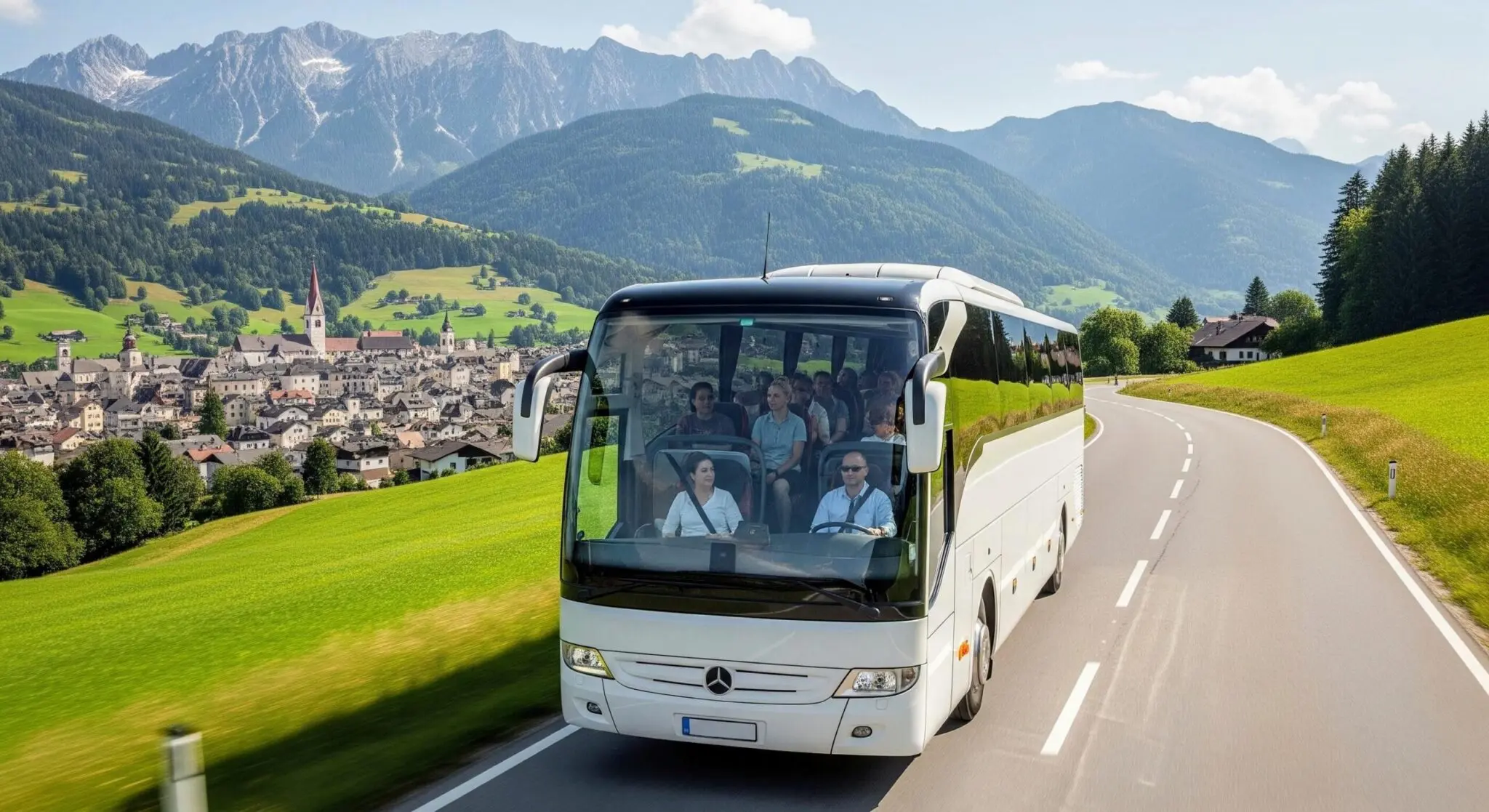
Compare standard, executive and luxury vehicle classes
A vehicle class helps describe the journey you want, but it is not a complete equipment list. Use this guide to turn a preference for standard, executive or luxury travel into a clear specification that you can compare before booking.
Organisations we have supported
















Choose the journey requirements before the class
Start with the people travelling, the luggage and the route. A business team going straight to a meeting has different priorities from the same team taking overnight cases between hotels. Keeping those requirements constant makes it easier to see what an upgraded option actually changes.
VoyaHire is one managed nationwide booking service using a mix of directly managed capacity and licensed operator partners. Share the complete itinerary and the standard you prefer; the proposed vehicle, facilities and journey arrangements are confirmed for the booking.
Standard: focus on the practical specification
A standard request can suit an organiser whose priority is getting the group together for a transfer, visit or day out. It still needs a clear brief: enough usable passenger seats, space for the actual load and appropriate boarding arrangements.
Do not use the word standard to leave essential requirements unstated. If climate control, a particular seat layout or another facility is needed, include it explicitly. Compare what is offered for your journey rather than assuming a universal minimum from the category name.
Executive: say what comfort and presentation mean to you
An executive request may be useful when welcoming clients, moving colleagues between appointments or arranging a longer journey. Explain the purpose behind the preference. For example, an organiser may prioritise the interior presentation, seating comfort or access to charging during travel.
Ask which requested features are included in the proposed option. An executive interior does not automatically mean more luggage room, a particular seat pitch or a wheelchair-accessible layout. A smaller executive vehicle is not a like-for-like alternative if part of the group or its luggage would be left out.
Luxury: specify the details that make the difference
For a premium private journey, wedding or hosted visit, name the details that matter instead of relying only on the luxury label. These might include a preferred interior style, particular seating arrangements or a make and model that the organiser wants considered.
Treat those details as requests until the offered vehicle is confirmed. Photographs illustrate types and styles; they do not promise the exact vehicle for every date. If an individual feature is essential, have it identified in the proposal rather than inferred from a similar vehicle shown online.
Check facilities and accessibility separately
List any request for Wi-Fi, charging, air conditioning or an onboard toilet separately from the class. Ask what is available on the vehicle being proposed. Where several vehicles are needed, check whether the same facilities are required on every one.
Accessibility is a layout and boarding requirement, not a comfort grade. Explain whether a passenger travels in their wheelchair, transfers to a seat or carries a folded mobility aid. Wheelchair positions, remaining passenger seats, boarding equipment and luggage must be considered together. A luxury or executive label does not establish those arrangements.
Compare quotations on the same brief
Send the same dates, collection points, stops, passenger totals, luggage and requested features when comparing options. Separate essentials from preferences so you can understand whether an alternative meets the journey requirements or changes them.
For a return or multi-day programme, confirm the requirements for each leg. Guests may join later, collect luggage after a meeting or use different vehicles for separate arrivals. A useful comparison records those changes instead of comparing only a headline seat count or vehicle class.
Your planning checklist
- Every passenger travelling on each leg
- Large cases, cabin bags and unusual equipment
- Collection points, stops and required arrival times
- Essential facilities, separated from preferred extras
- Boarding and wheelchair-travel requirements
- The proposed seating, luggage arrangement and included features
Questions about this journey
Does executive always include Wi-Fi or charging?
No. Request those facilities explicitly and check the proposed vehicle specification. The class name alone does not confirm either feature.
Is luxury the same specification on a car, minibus and coach?
No. Compare the vehicle type and the individual proposal. Seating, storage and available facilities can differ between vehicles described with the same class label.
Can I request a particular make, model or colour?
Yes, include the preference in the enquiry. Do not assume a photograph guarantees it; the proposed vehicle and availability need confirmation before booking.
Should wheelchair access be included as a class preference?
Describe it as a separate essential requirement. Explain the boarding needs, occupied wheelchair positions, other passengers and luggage so a suitable layout can be assessed.
Explore related options
Plan your journey with VoyaHire
Share the itinerary, passenger numbers, luggage and essential requirements for a tailored quotation.