
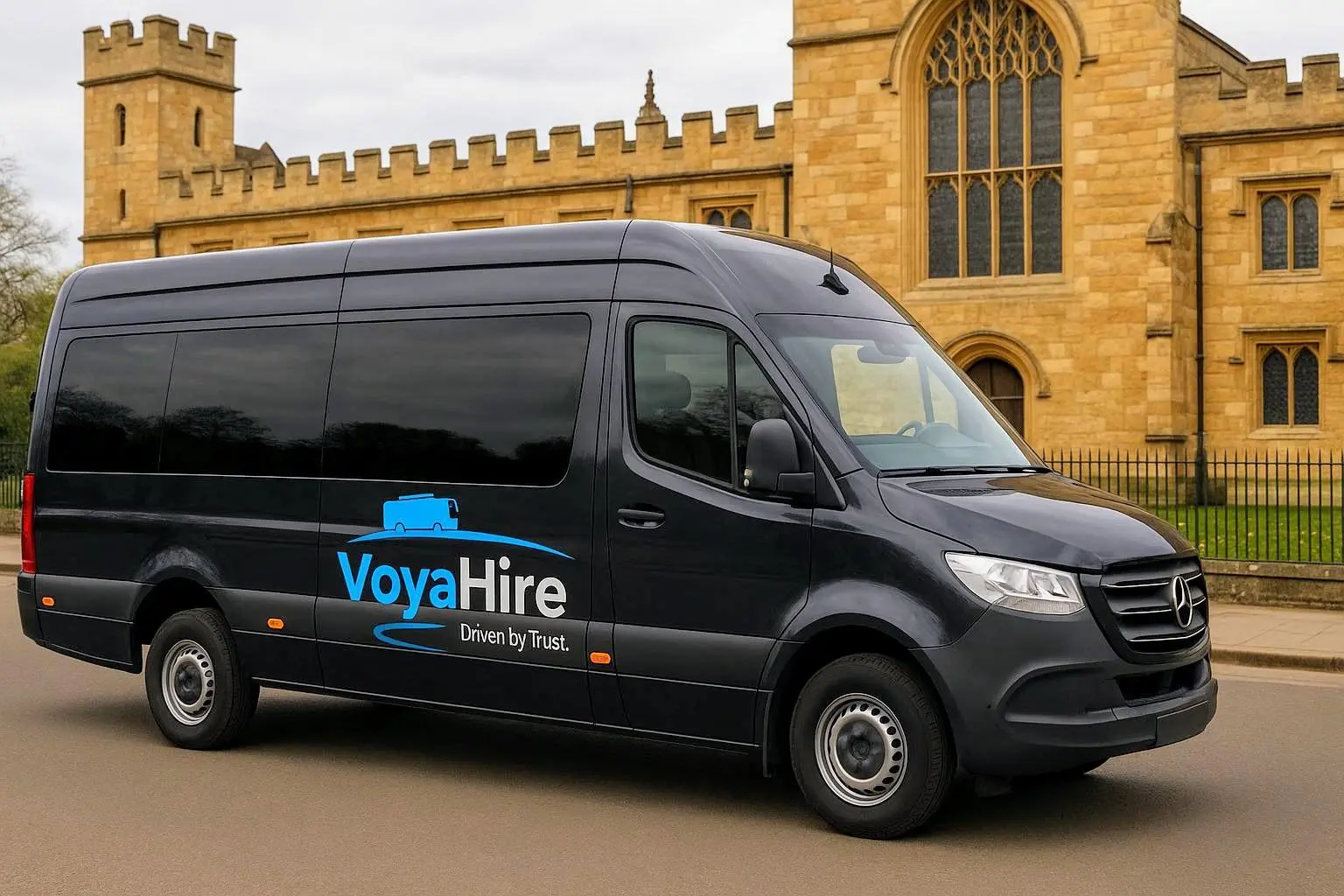
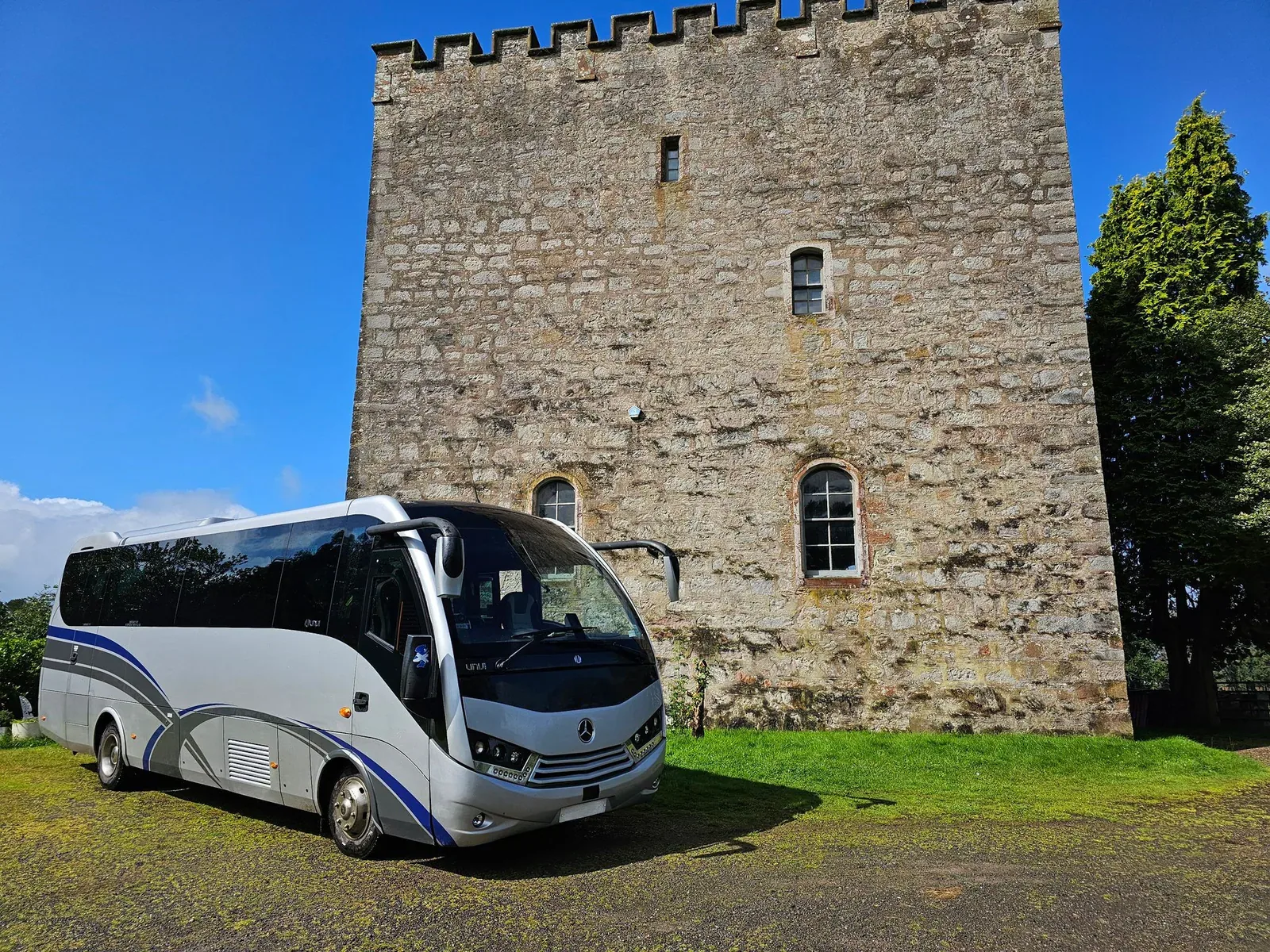
One coach and two minibuses are not interchangeable just because the advertised seat totals look similar. Start with how your group actually needs to travel: together or separately, with which bags, from which stopping points and at what times. Then compare written proposals against that same brief.
This guide helps you organise the comparison. It does not establish which vehicle is available, calculate a price or prove that a particular arrangement fits a route. Those details need to be reviewed for the individual journey.
1. Decide whether the group needs to stay together
Write down which passengers need the same collection, destination and return arrangements. One shared vehicle may make the organiser's communication simpler when everyone follows the same plan. A split arrangement may be worth discussing when groups are staying in different places or require genuinely different departure times.
Do not assume that two vehicles can arrive together or follow each other throughout the journey. If a common arrival target matters, state it explicitly and ask how the proposed movements would be coordinated. Assign a lead contact for each group in your private booking correspondence.
2. Count the complete load for each proposed vehicle
Record people, cases, equipment and boarding requirements for each proposed vehicle, not just the total number in the booking. Count all passengers, including organisers and accompanying travellers, and exclude drivers from passenger totals. A seat count alone does not tell you whether luggage or a particular accessible layout can be accommodated.
If you are considering two vehicles, give each one a separate passenger and luggage line. Keep people who need to travel together in the same proposed group. Discuss boarding requirements privately. Keep passenger names, contact details, private addresses and medical information out of a publicly shared planning sheet.
Use the existing minibus and coach family guides to understand the options. The proposed usable seats, luggage arrangements and any essential facilities still need individual confirmation.
3. Check access and the whole timetable
Give the booking team the actual collection and destination details, including proposed entrances. Ask the venue about its coach or minibus arrangements, but leave the transport team to assess the proposed vehicle and route. A smaller vehicle is not automatically permitted at a stopping point, and a larger one is not automatically unsuitable.
Write the outward and return requirements separately. Two outward vehicles do not imply that the same split is suitable for the return. If passengers finish at different times, show the difference in the brief instead of asking for one general return time.
For the stop-by-stop plan, use the published multi-stop itinerary worksheet rather than maintaining another version of the same journey in this comparison.
4. Compare written proposals on the same basis
Send the same dates, passenger groups, bags, stops, timings and requirements when asking for alternatives. If one option excludes a movement or assumes a different return time, it is not yet a like-for-like comparison.
Ask the booking team to identify the total quoted arrangement and explain the treatment of waiting, parking, access charges and later changes where relevant. Do not assume that a particular charge is included or that two smaller vehicles will be cheaper. Compare the actual written terms and specification. Use the vehicle-class comparison guide to check what a class label does and does not establish.
Only calculate a per-person figure after confirming which total and passenger count you are using. That calculation does not confirm availability, reserve transport or replace the quotation.
5. Use this proposal-completeness worksheet
Copy the worksheet for the real journey, using A and B consistently for the two proposed minibuses. Record the relevant people, bags, movements and specification for each one. Keep personal contact information in private booking correspondence.
Mark each detail requested, proposed, confirmed or unresolved. If you do not have a clear answer, mark it unresolved and write the question to settle. Record a status for the one-coach option and for both A and B. An option with an unresolved essential requirement is not ready to treat as a confirmed plan, even if its headline seat total or price looks attractive.
Record quotation totals and references exactly as supplied. Use a combined total for two vehicles only if the written proposal supplies one; otherwise ask how the full arrangement is quoted. Do not assume that adding two figures covers every requested movement or charge.
| Detail to compare | One coach option | Two-minibus option: A and B | Still to confirm |
|---|---|---|---|
| Passenger groups | Passengers by leg: __ | A passengers by leg: __; B passengers by leg: __ | Include organisers and accompanying travellers; exclude drivers |
| Luggage and equipment | Load for each movement: __ | A load: __; B load: __ | Where will each item travel? |
| Boarding requirements | Requested arrangement: __ | A arrangement: __; B arrangement: __ | Has each actual layout been checked? |
| Collections and outward target | Points and requested times: __ | A points/times: __; B points/times: __ | Access and any common arrival target |
| Separate return movements | Each requested return: __ | A returns/times: __; B returns/times: __ | Different finish times, passengers or destinations? |
| Written specification | Proposed vehicle details: __ | A specification: __; B specification: __ | Which essential features are confirmed for each vehicle? |
| Quotation basis | Written reference/total: __ | A reference/total: __; B reference/total: __; combined reference/total if supplied: __ | Same movements, requirements and charge assumptions? |
| Status and version | Requested/proposed/confirmed/unresolved: __; version: __ | A status: __; B status: __; version: __ | Use one of the four statuses for each option; resolve essential open questions |
6. A hypothetical example, not a vehicle recommendation
Imagine 24 adults travelling as passengers, with 12 staying at each of two hotels. Any organisers travelling with them are included in the 24; drivers are not. Everyone wants to attend the same event, but one group requests an earlier return. The organiser asks for alternatives using the actual addresses, the luggage assigned to each group and both return requests.
Ask how each proposal would cover the shared outward journey and the two requested return times. If a one-coach option involves more than one return movement, have its feasibility, timings and quotation basis checked rather than assuming that one shared return meets both requests. The example does not establish that either option can meet the timetable.
Do not conclude that any two vehicles with twelve advertised seats are suitable, or that one option costs less. Neither route access, layout, luggage capacity nor availability has been established by this fictional example.
Next step: send one complete comparison brief
Choose the service that matches the journey, then send the full brief and explain that you want to compare arrangements. VoyaHire provides one managed nationwide booking service using a verified mix of directly managed capacity and licensed operator partners.
The coach hire and minibus hire pages explain the services. Use the locations directory for relevant collection-area information, not as proof that a particular vehicle is available on a chosen date. Keep all options proposed until the booking arrangements are confirmed.
Frequently asked questions
Are two minibuses always cheaper than one coach?
No general saving is established by the vehicle count. Compare written proposals for the same route, timings, passenger groups, luggage and requested facilities, including the stated charge assumptions.
Can I divide the total passengers equally between two vehicles?
An even split is only a starting request. Include organisers and accompanying travellers in the passenger totals, excluding drivers. Each proposed vehicle must suit its passengers, luggage and boarding requirements. Keep people who need to travel together in the same proposed group and have the actual arrangements checked.
Can the two groups return at different times?
Include both requested return times and destinations in the brief. They need to be assessed and quoted as part of the actual plan, not assumed to be included because the outward journey uses two vehicles.
Will a smaller vehicle always reach a difficult collection point?
No. Provide the real address and proposed entrance and ask for the route and stopping arrangements to be checked. Do not infer permission or suitability from vehicle size alone.
Should I request exact makes or facilities when comparing?
State any essential specification clearly. A class label or photograph does not guarantee a particular model, layout or facility. Review the specification actually proposed for each option before confirming.